Dhurandhar-Level Strategy for Brand Recovery and Trust Building
Online Reputation Management services help brands control perception, stabilize trust, and recover authority across search engines, media platforms, reviews, and social ecosystems. ORM operates at the intersection of SEO, digital PR, content strategy, and sentiment intelligence. Brands use ORM when visibility turns negative, narratives fragment, and trust erodes.
ORM does not fix symptoms. ORM restructures the information environment.
What Are Online Reputation Management (ORM) Services?
Online Reputation Management services manage how a brand appears, ranks, and gets interpreted online. ORM aligns brand narratives with user intent and algorithmic ranking signals.
ORM answers one central question:
“What does the internet say about this brand when people search?”
Core functions of ORM services
- Control branded search engine result pages (SERPs)
- Suppress visibility of negative or outdated content
- Amplify authoritative brand-owned and earned assets
- Improve review sentiment and rating stability
- Monitor narrative shifts in real time
- Protect long-term brand equity
High-intent generic ORM keywords
Online reputation management services, brand reputation management, reputation repair services, crisis reputation management, ORM agency, digital reputation recovery.
The next section explains why ORM becomes critical during reputation shocks.
Why ORM Becomes Critical During a Brand Crisis
A brand crisis damages trust signals faster than operational recovery can repair them. Search engines and social platforms amplify conflict, not resolution. ORM intervenes at the perception layer.
A crisis creates three simultaneous problems:
- Negative content ranks faster
- Media narratives oversimplify events
- Users form opinions before brands respond
ORM counters these effects structurally.
Common digital crisis indicators
- Negative news dominates branded keywords
- Social backlash escalates sentiment polarity
- Reviews spike with emotional bias
- Search intent shifts from transactional to investigative
- Conversion confidence drops
ORM reorganizes visibility, not just messaging.
The next section shows how this plays out in a real-world airline scenario.
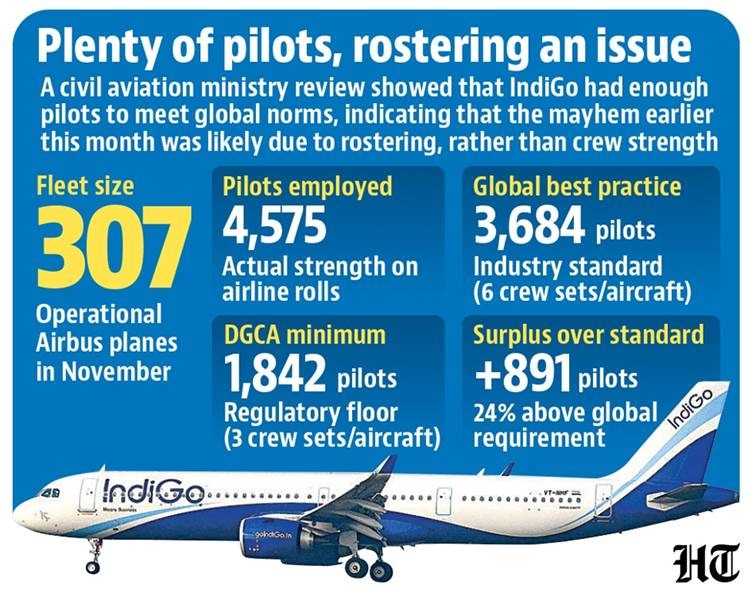
ORM Case Study: IndiGo Airline Reputation Challenge
What triggered the IndiGo reputation issue?
IndiGo Airlines experienced reputational pressure due to service-related incidents amplified across social media and digital news platforms. Customer-recorded videos, complaint threads, and rapid media pickup influenced public sentiment.
The issue was not scale alone.
The issue was visibility concentration.
Negative narratives began ranking for branded and semi-branded keywords. Users searching for tickets encountered controversy before service value propositions.
How digital amplification worsened the situation
- User-generated content gained algorithmic preference
- News portals reused the same narrative angles
- Social algorithms rewarded engagement, not accuracy
- Branded search queries turned reputational
This is where ORM becomes operationally essential.
How ORM Helps Airlines Recover From Reputation Shocks
ORM addresses airline crises by restructuring digital trust signals across multiple channels simultaneously.
ORM actions applied in airline scenarios
- Promote authoritative brand statements on high-authority domains
- Publish resolution-focused content targeting branded queries
- Balance negative media with operational transparency stories
- Optimize FAQs and help pages for investigative search intent
- Stabilize reviews on aviation and travel platforms
- Track sentiment velocity using social listening tools
ORM outcome for airline brands
- Reduced negative SERP dominance
- Improved sentiment distribution
- Restored search confidence
- Lower long-term reputational drag
ORM recovery begins in search before it reflects in revenue.
The next section explains ORM strategy through the Dhurandhar framework.
ORM Explained Through Strategy: The Dhurandhar Framework
ORM follows the Dhurandhar approach by using foresight, patience, and narrative control to restore credibility after setbacks. The framework treats reputation as an engineered system.
ORM assumes one fact:
Perception changes only when information structures change.
How does ORM align with the Dhurandhar framework?
ORM applies calculated planning instead of reactive communication. Every asset serves a defined role in reshaping perception.
Strategic parallels
- Crisis → Information chaos
Fragmented narratives confuse users and algorithms. - Planning → Reputation architecture
ORM builds layered authority assets with clear intent alignment. - Patience → Gradual sentiment correction
Consistency outperforms urgency in algorithmic trust systems. - Outcome → Credibility restoration
Search, media, and reviews reflect stability.
ORM is not damage control. ORM is Dhurandhar-level narrative engineering.
The next section connects this framework to DGTLmart’s ORM services.
DGTLmart ORM Services as a Dhurandhar Solution
DGTLmart provides ORM services designed for brands facing digital setbacks and trust erosion. The service integrates SEO, content intelligence, digital PR, and sentiment analytics.
DGTLmart treats ORM as a system, not a campaign.
What defines DGTLmart’s Dhurandhar ORM model?
DGTLmart builds reputation recovery infrastructure. Each component supports long-term perception control.
DGTLmart ORM service components
- Branded SERP suppression strategy
- Authority content creation and distribution
- Crisis keyword mapping and monitoring
- Review velocity correction
- Media narrative balancing
- Owned media strengthening
- Sentiment trend normalization
This structure ensures stability beyond the crisis window.
How ORM Services Actually Work (Process Breakdown)
ORM recovery follows sequential phases. Each phase depends on the previous one.
Phase 1: Reputation audit
- Identify negative URLs and content clusters
- Map branded, semi-branded, and investigative keywords
- Measure sentiment polarity across platforms
Phase 2: Risk isolation
- Separate emotional spikes from long-term ranking risks
- Prioritize URLs with high authority and traffic
- Define suppression vs neutralization strategy
Phase 3: Authority asset creation
- Publish expert-led content on trusted platforms
- Optimize brand-owned pages for reputation queries
- Align content with E-E-A-T signals
Phase 4: Distribution and reinforcement
- Strengthen backlinks to positive assets
- Promote earned media coverage
- Maintain consistency across channels
Phase 5: Monitoring and iteration
- Track SERP movement
- Measure sentiment deltas
- Adjust content cadence
ORM succeeds through precision and patience.
The next section explains how ORM differs from traditional PR.
ORM Services vs Traditional Public Relations
| Dimension | ORM Services | Traditional PR |
| Primary focus | Search and sentiment | Media exposure |
| Control | Algorithm-driven | Editorial-driven |
| Timeframe | Long-term | Short-term |
| Measurement | Rankings, sentiment, trust | Reach, impressions |
| Crisis impact | Structural recovery | Narrative response |
ORM stabilizes perception. PR amplifies messages.
Both work best together, but ORM anchors trust.
Why ORM Is a Long-Term Brand Asset
ORM protects future brand equity. Brands without ORM remain vulnerable to recurring reputation shocks.
Long-term ORM benefits
- Stable branded search results
- Higher conversion trust
- Reduced crisis recovery cost
- Improved investor and partner confidence
- Stronger digital authority
ORM transforms reputation from risk into an asset.
The next section explains why brands choose DGTLmart for ORM.
Why Brands Choose DGTLmart for ORM Services
DGTLmart delivers ORM with semantic SEO alignment and crisis-ready execution. The service aligns with how search engines evaluate trust.
DGTLmart ORM advantages
- Data-driven sentiment modeling
- Search-first reputation defense
- Industry-specific recovery playbooks
- Ethical suppression practices
- Transparent performance tracking
ORM success depends on strategy accuracy, not volume.
Frequently Asked Questions About ORM Service
- Is ORM only required during crises?
No, Online Reputation Management (ORM) is not limited to crisis situations. ORM works as a continuous brand protection strategy that strengthens search visibility, controls brand narratives, and builds digital trust over time. Proactive ORM helps prevent reputation risks, stabilizes reviews, improves branded SERP authority, and ensures long-term credibility before, during, and after any crisis. - No. ORM also prevents reputation risks and strengthens authority before crises emerge.
No, ORM is not only for crises. It works proactively to prevent reputation risks, strengthen brand authority, stabilize search results, manage reviews, and build long-term digital trust, ensuring brands remain credible and resilient before any negative situation emerges. - How long does ORM recovery take?
ORM recovery timelines vary based on issue severity, content authority, and competition. Typically, noticeable improvements in search results, sentiment, and brand visibility appear within 60 to 120 days, while full reputation stabilization requires consistent, long-term ORM strategy execution. - Noticeable SERP and sentiment improvement usually appears within 60–120 days, depending on severity.
Noticeable improvements in SERP rankings and online sentiment typically appear within 60 to 120 days. The exact timeline depends on crisis severity, negative content authority, competition level, and how consistently ORM strategies like content optimization, suppression, and monitoring are executed. - Does ORM delete negative content?
No, ORM does not delete negative content illegally. Ethical Online Reputation Management focuses on suppressing negative results by promoting accurate, authoritative, and positive content, improving search visibility, balancing narratives, and ensuring trustworthy information ranks higher across search engines and digital platforms. - ORM suppresses negative visibility ethically. It does not remove content illegally.
ORM ethically suppresses negative visibility by strengthening positive and authoritative content. It does not illegally remove or delete content, focusing instead on search ranking balance, trust-building, and long-term reputation stability. - Which industries need ORM the most?
Airlines, startups, corporates, healthcare, finance, public figures, and consumer brands are the industries that most require ORM as they are the sectors where trust, visibility, reviews, and search perception have a direct influence on the factors like credibility, revenue, and long-term brand value. - Airlines, startups, corporates, public figures, healthcare, finance, and consumer brands.
Airlines, startups, corporates, public figures, healthcare, finance, and consumer brands need ORM the most because their online reputation directly influences customer trust, search visibility, brand credibility, and purchasing decisions in competitive digital environments.
ORM as a Strategic Discipline Brands that invest in ORM control their narrative. Brands that ignore ORM allow algorithms, media cycles, and public outrage to define perception.